top of page
Ресторан отеля

Restaurant Interior Design

The success of a hospitality establishment relies heavily on the seamless integration of culinary excellence and environmental psychology. Guests choose a dining destination not merely for the food but for the experience that surrounds it. A professionally executed interior directly influences customer satisfaction, table turnover rates, and ultimately, the revenue per square foot. Establishing a distinct brand identity requires a physical environment that communicates the concept clearly to the consumer. Investors and restaurateurs prioritize functional aesthetics to ensure long-term viability in a competitive market.

The Strategic Value of Professional Design

Investment in a high-quality interior yields measurable returns by optimizing operational flow and guest comfort. A well-planned layout minimizes collisions between staff members, streamlines the path from the kitchen to the dining area, and maximizes the number of covers without sacrificing comfort. Operational efficiency reduces wait times and increases the speed of service, which directly impacts the bottom line. Every square foot of a leased commercial space represents a fixed cost that must generate revenue. Experienced professionals analyze the floor plan to eliminate dead zones and activate underutilized corners.

The selection of a specialized partner allows owners to navigate the complexities of building codes, health regulations, and accessibility requirements. Experienced restaurant interior design firms bring a deep understanding of how physical spaces endure the wear and tear of daily operations. They prioritize materials that resist staining, withstand heavy foot traffic, and maintain their appearance over years of intensive use. This foresight prevents costly renovations and repairs shortly after opening.

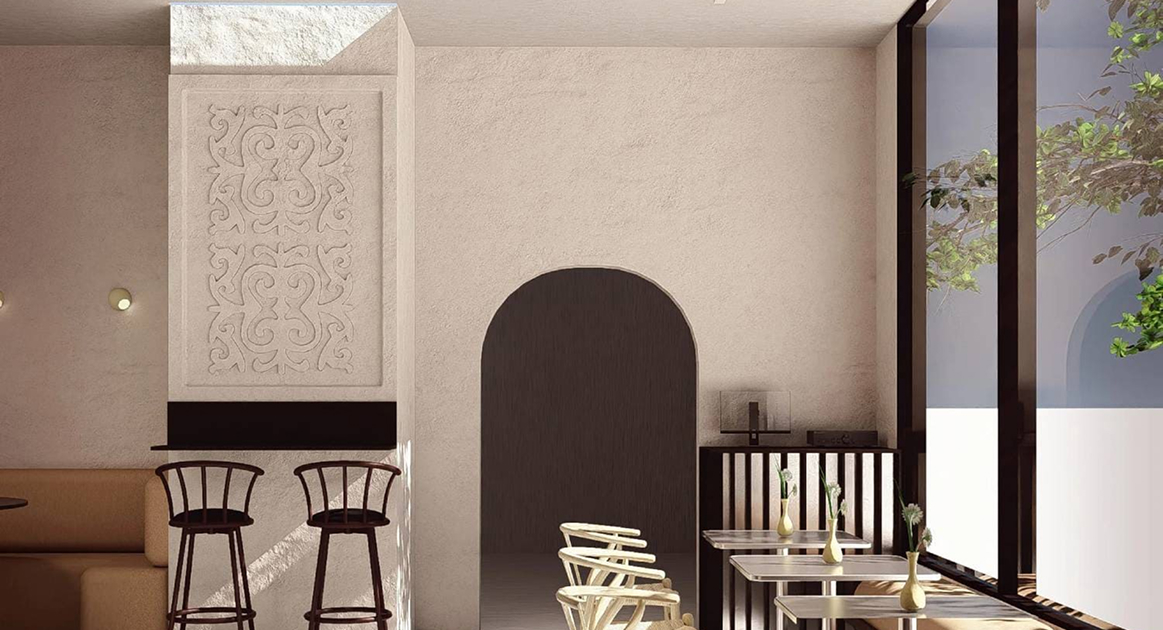
Rustic interior design

You will find an example of this design in the VIPS restaurant located in the Korean city of Seoul.


Its description is best to start with the ceiling. It was on him that the designers who were engaged in this project emphasized.

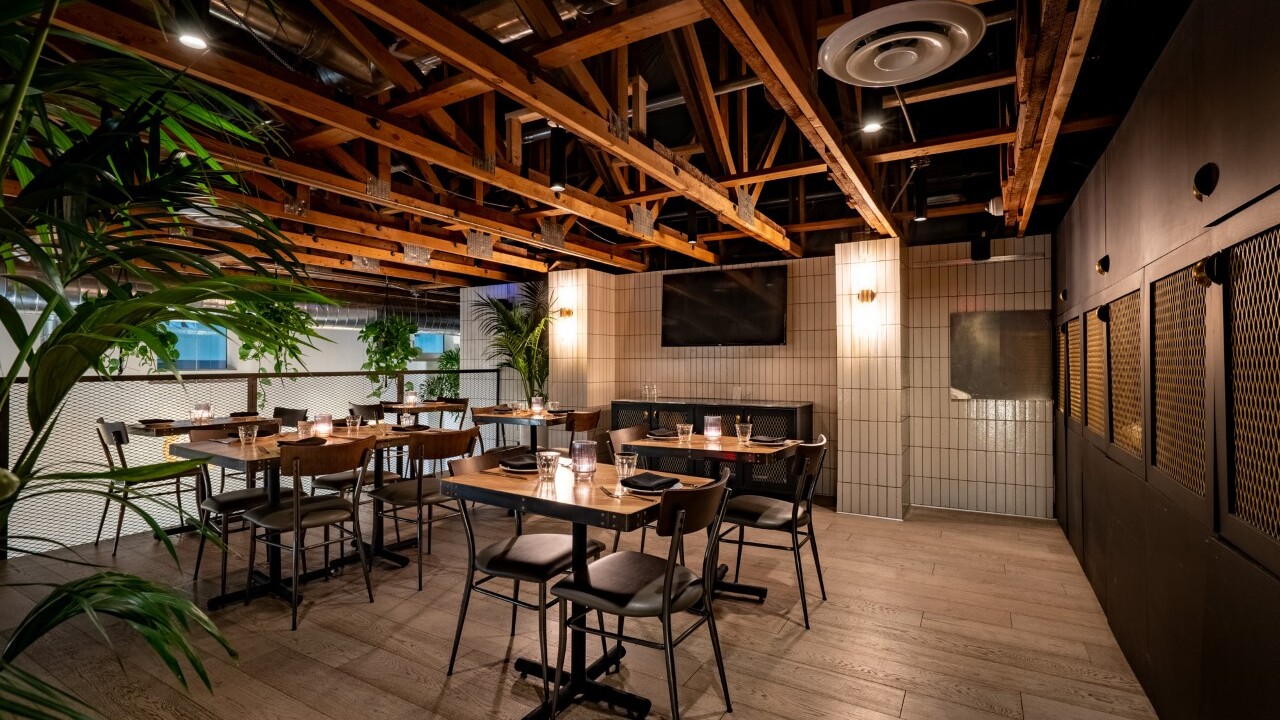
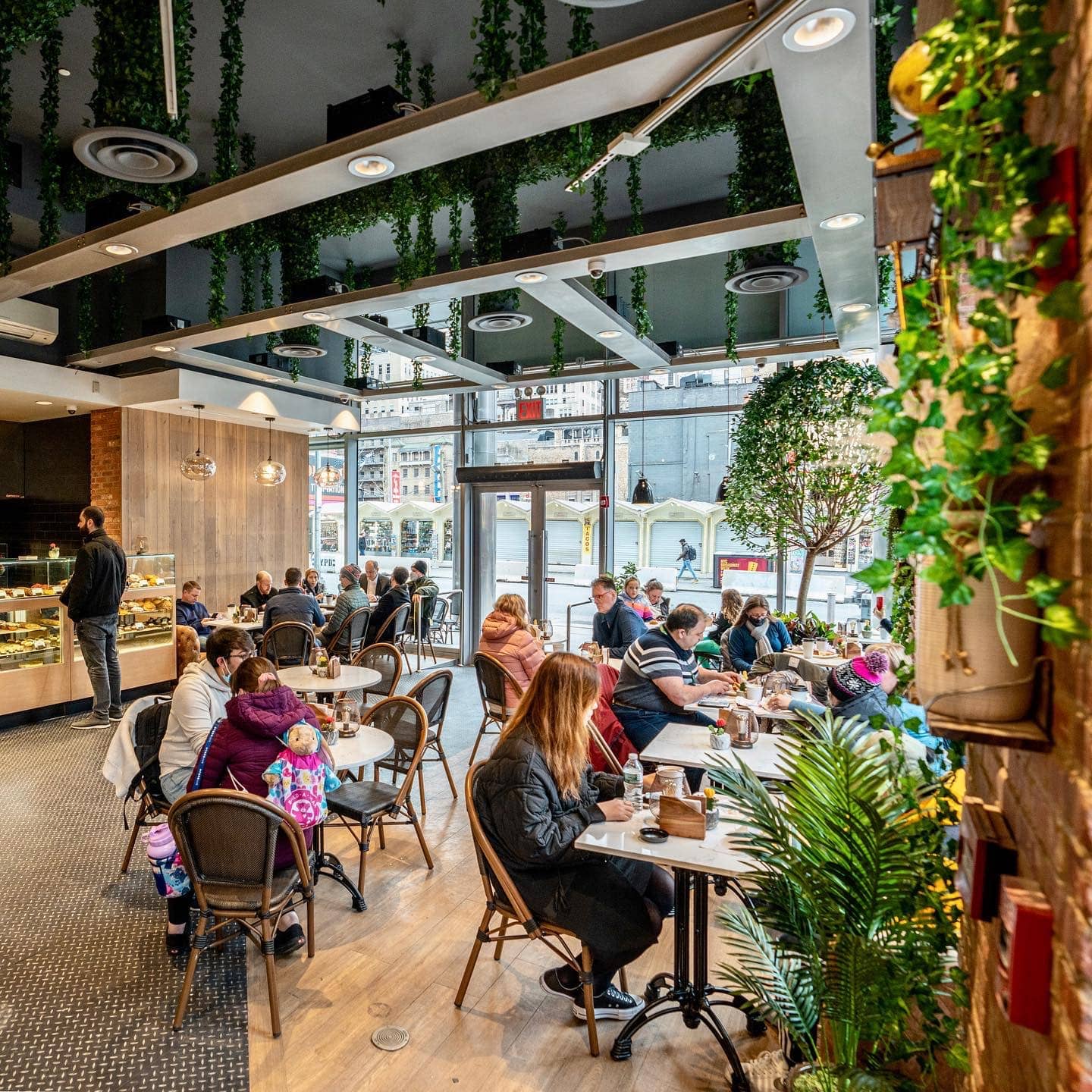
Dark finishes, open communication systems, numerous built-in and suspended lamps and powerful wooden beams in the form of triangles make the space more voluminous and free.


The almost complete absence of decorative partitions and an open kitchen area create an atmosphere of warmth and unity between visitors and employees.

Modern restaurant design

The modern design of Jamy's Burger restaurant is presented in Frankfurt. Experts from the architectural agency reworked the existing concept and improved the interior.

It is based on an industrial style together with the use of natural materials such as oak and spruce. In addition, functional furniture was designed and planned for future Jamy's Burger restaurants, a place for returning trays, food carts and a bar were designed.

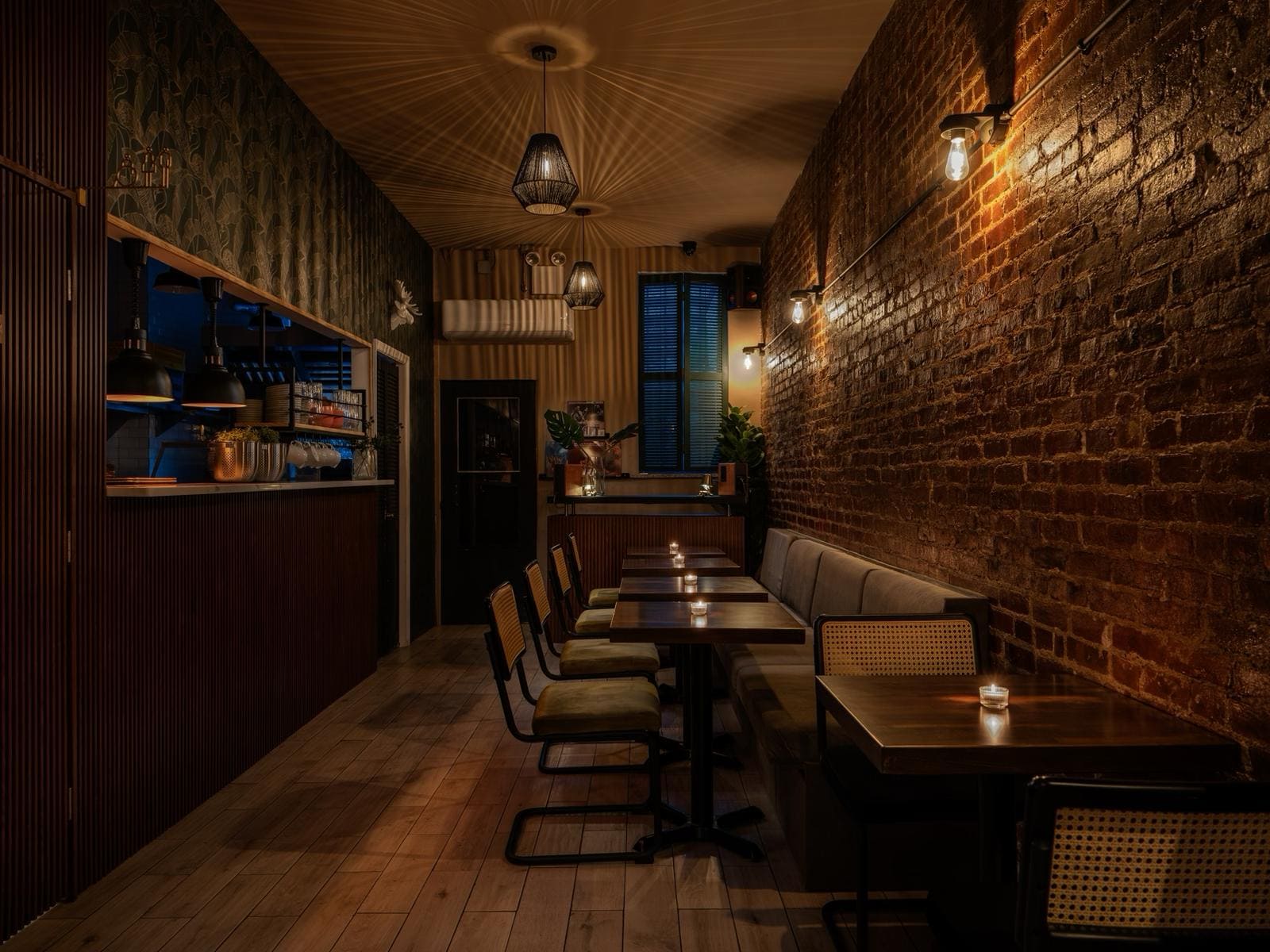
Industrial restaurant interior design

An example of industrial restaurant interior design is also available in Hong Kong. The modern style of a warehouse with raw and rough materials is taken. Metal beams and harsh steel pipes are concentrated at the top. The walls of the open kitchen are made of cranberry – colored bricks.

Scandinavian style

An example of such an interior can be found in the Momo Grill restaurant, located in an old restored building in the center of the Lithuanian city of Klaipeda.

The main idea of the interior is to create a modern, relaxed and relaxed atmosphere that will attract with its cool charm and individual style. In order to reproduce a good impression and show sincerity towards customers, an open floor plan was designed inside the premises.

This condition made it possible to combine the kitchen and dining area into one space, which symbolizes hospitality to visitors.

Open access to the kitchen is practiced in many similar establishments and gives you the opportunity to watch the cooking process, which significantly increases your appetite.

Key Components of a Successful Hospitality Interior


Developing a cohesive restaurant environment involves a multi-layered approach where every element serves a specific purpose. The design process moves beyond surface decoration to address the fundamental infrastructure of the guest experience. A comprehensive design strategy includes several critical phases that ensure the final result aligns with the business model.

  • Zoning and Flow Optimization. The foundation of a functional restaurant lies in the separation and integration of Front-of-House (FOH) and Back-of-House (BOH) operations. Designers calculate the optimal ratio between kitchen space and dining areas to prevent bottlenecks. The layout dictates the energy of the room, determining whether the atmosphere feels intimate and private or energetic and communal. Strategic placement of the bar, point-of-sale systems, and restrooms directs traffic flow naturally, preventing congestion in high-activity areas.

  • Lighting Architecture and Ambiance. Lighting serves as the primary tool for controlling the mood and perceived value of the establishment. A specialized restaurant interior design company utilizes a layered lighting approach, combining ambient, task, and accent fixtures. Dimmable systems allow the atmosphere to shift from a bright, fast-paced lunch service to a subdued, romantic dinner setting. Color temperature plays a crucial role; warmer tones generally flatter food presentation, encouraging longer stays and increased ordering.

  • Acoustics and Sensory Management. Noise levels significantly impact guest comfort and the ability to converse. Hard surfaces reflect sound, creating a cacophony that causes fatigue and dissatisfaction. Designers integrate acoustic treatments into the aesthetic, utilizing upholstered furniture, drapery, and specialized ceiling panels to absorb excess decibels. Proper acoustic management allows the space to feel lively without becoming overwhelming. This balance is critical for retaining customers who seek a social yet relaxing environment.

Navigating the Complexities of Urban Markets


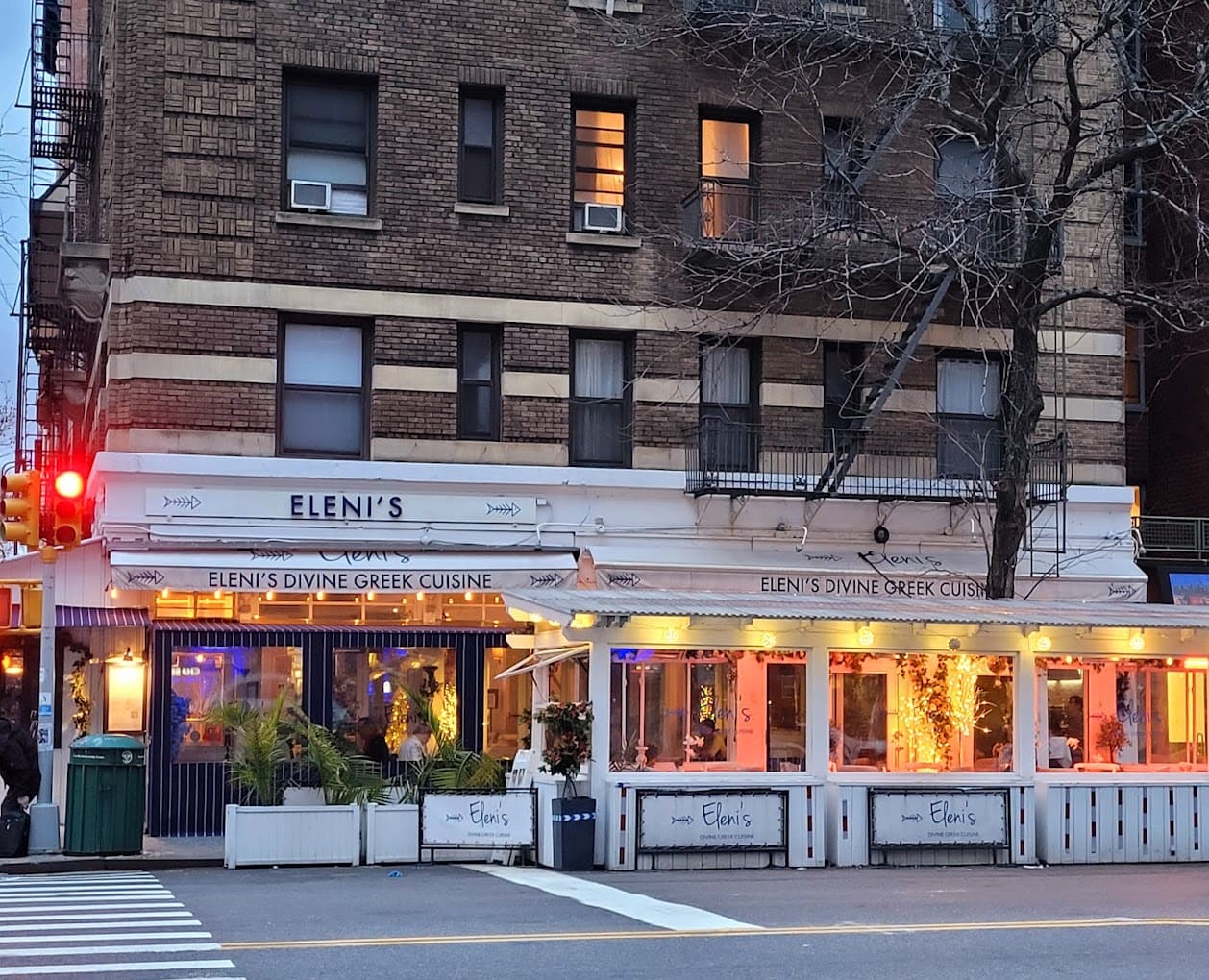
Operating in dense metropolitan areas presents unique challenges that require specific expertise. High rent costs necessitate the maximization of vertical space and creative storage solutions. Historic buildings often come with strict preservation guidelines that limit structural modifications. A project focusing on restaurant interior design in New York must address specific local ordinances, strict fire codes, and the logistical difficulties of construction in a crowded city.

Space planning in these environments often involves working with narrow footprints or irregular layouts. Designers must creatively configure seating to maintain capacity without violating Americans with Disabilities Act (ADA) compliance standards. The ventilation and HVAC systems require careful integration to ensure air quality remains high in compact spaces. Successful execution in these markets demands a partner who understands the intricacies of local permitting processes and can expedite approvals to avoid delays in the opening schedule.

Technical Specifications and Material Durability

Commercial environments require materials that far exceed residential standards in terms of durability and safety. The specification process involves selecting fabrics with high Wyzenbeek ratings to ensure resistance to abrasion. Flooring materials must meet specific slip-resistance coefficients to prevent accidents in areas prone to spills. Surfaces used for tabletops and bars require sealing technologies that repel acidic liquids like wine and citrus juice.

Professional restaurant interior designers maintain libraries of commercial-grade resources that balance aesthetic appeal with industrial strength. They understand the fire ratings required for drapery and upholstery, ensuring all specified items pass safety inspections. This technical knowledge extends to the kitchen, where stainless steel grades, wall cladding, and non-porous surfaces must meet health department codes for sanitation. Investing in the correct materials upfront significantly reduces maintenance costs and extends the lifecycle of the interior fit-out.

The Role of Branding in Physical Spaces

The interior serves as a tangible extension of the brand narrative. The color palette, texture selection, and furniture style must align with the menu and the target demographic. A fine-dining establishment requires ergonomic seating that remains comfortable for multi-course meals lasting several hours. Conversely, a fast-casual concept benefits from seating that encourages a faster turnover rate while still providing a pleasant experience.

Consistency in design reinforces brand recognition. From the signage on the exterior facade to the hardware on the restroom doors, every touchpoint communicates the quality and attention to detail that guests can expect from the kitchen. This holistic approach builds trust and loyalty. Visual cues guide the customer journey, influencing how they interact with the space and the menu.


Selecting the Right Design Partner


Choosing a firm to execute a restaurant project involves evaluating their portfolio for relevance and technical capability. Owners should look for partners who demonstrate a clear understanding of operational logistics alongside creative flair. A successful partnership relies on three fundamental pillars that ensure the project stays on track.

  • Operational Consultant Role. The ideal partner balances the artistic vision with budget constraints and timeline requirements. They must demonstrate a clear understanding of how the layout impacts daily service and staff efficiency.

  • Collaborative Process. Effective commercial restaurant design results from close cooperation between the culinary team, the operations manager, and the design team. This synergy ensures the physical space supports the menu concept rather than hindering it.

  • Technical Documentation. The chosen firm must demonstrate the ability to produce detailed construction documents that minimize ambiguity for contractors. Accurate documentation prevents change orders during the build-out phase, keeping the project within the financial scope.

Different restaurant design firms specialize in various niches, from quick-service franchises to high-end bespoke dining. Identifying a team with experience in the specific market segment ensures they understand the unique economic drivers of that business model. A portfolio showing a diversity of successful openings indicates adaptability and a strong grasp of fundamental design principles.

The final result should be a space that functions as a precise machine for hospitality. The interior must support the staff in their duties while transporting the guest to a curated environment. When design and operation work in unison, the restaurant becomes a cohesive product that attracts and retains a loyal customer base. The physical environment acts as the stage for the culinary performance, and its quality directly correlates to the perceived value of the meal. Investing in qualified design expertise secures the foundation for a thriving business in the hospitality sector.

Our Integrated Construction and Management Solutions


We are a New York-based general contractor specializing in residential and commercial construction, design engineering, and comprehensive development. We possess extensive experience across a broad range of building conditions, allowing us to effectively manage complex projects throughout the Tri-State area.

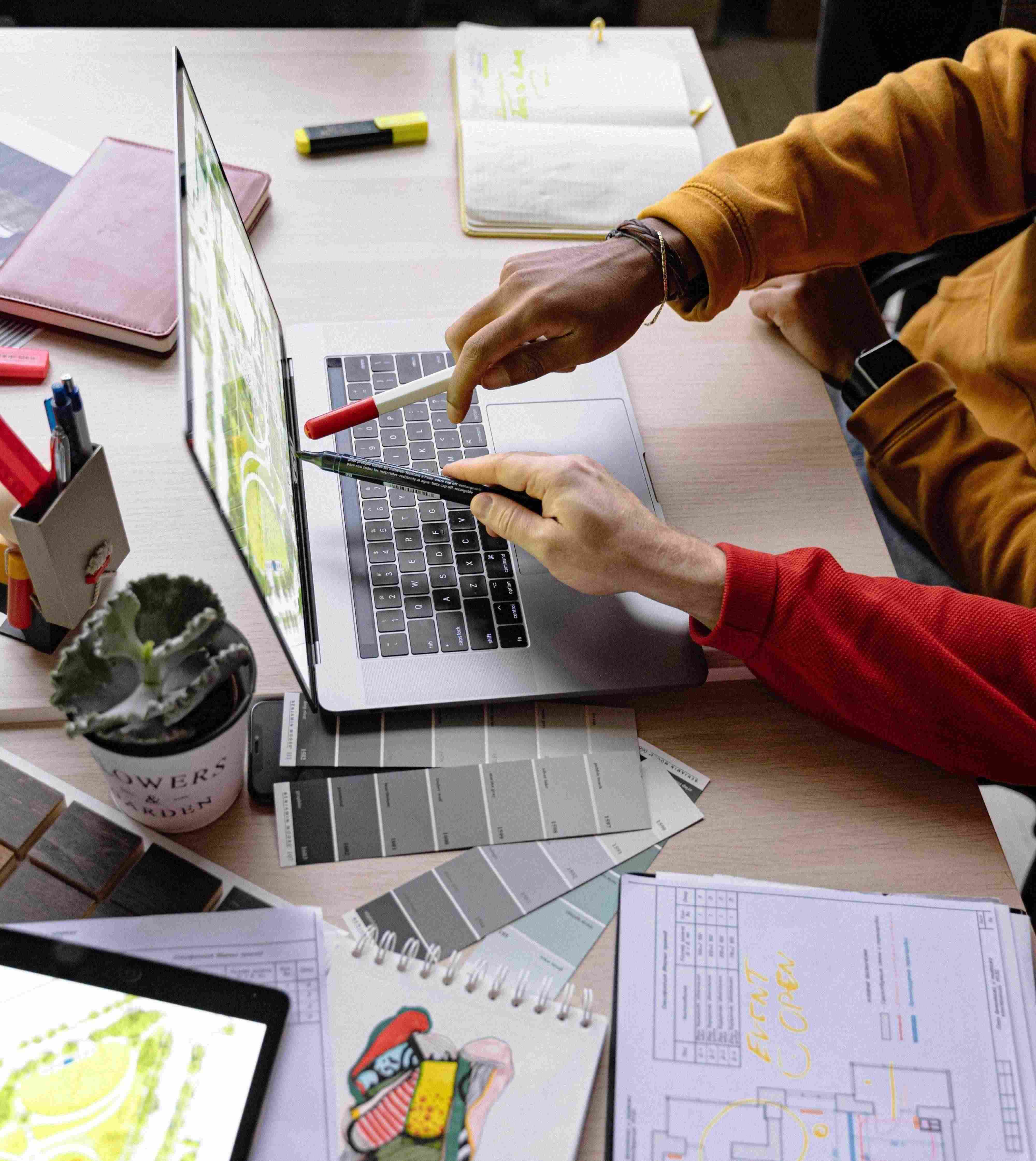
We offer services that cover the entire lifecycle of a project. We evaluate the effectiveness of commercial kitchen layouts by analyzing the menu and brand requirements against foodservice design standards. Our process identifies critical design gaps immediately, moving your business concept along a continuum of success from conception to completion. With the help of our team of designers and construction professionals, we ensure you receive real-time solutions and quality services every time.

bottom of page