Commercial General Contractor in NYC
8+
Years of experience
1
Accountable manager
12/7
Project support
that
work
and
inspire
General contracting built around New York conditions
Construction here begins before materials reach the jobsite. The scope has to account for freight-elevator windows, limited curb space, occupied floors, pedestrian traffic, building rules, and inspections. Deliveries near Broadway, Fifth Avenue, or Canal Street may require tighter coordination than work on a quiet residential block. Effective general contracting services connect these details with drawings, trades, procurement, and field execution. The required DOB registration or license depends on the work, while exterior changes to designated landmarks and historic-district buildings can require Landmarks Preservation Commission approval. City noise rules generally limit construction to 7:00 a.m.-6:00 p.m. on weekdays unless after-hours authorization is obtained. A capable building construction contractor plans around these requirements early.
Define the scope and identify constraints.
Connect design, approvals and procurement.
Track site progress, costs and decisions.
Inspections, punch list & closeout
New York roots. A wider reach.
Commercial project coordination with local specialists and approval requirements considered for each location.
Commercial construction services
One project. Multiple specialists. One accountable management team connecting every stage.
Keeping your business moving during construction
For a restaurant, office, retail space, or hospitality property, construction can affect customer access, back-of-house circulation, deliveries, neighboring tenants, and reopening plans. A general contractor for commercial construction coordinates the work as one system: trade sequence, site access, material movement, protection of finished areas, and communication with building operators.
Workplace planning, tenant fit-outs and office renovation aligned with your team and move-in plans.
Guestrooms, lobbies and shared spaces, with planning that considers guest experience and operations.
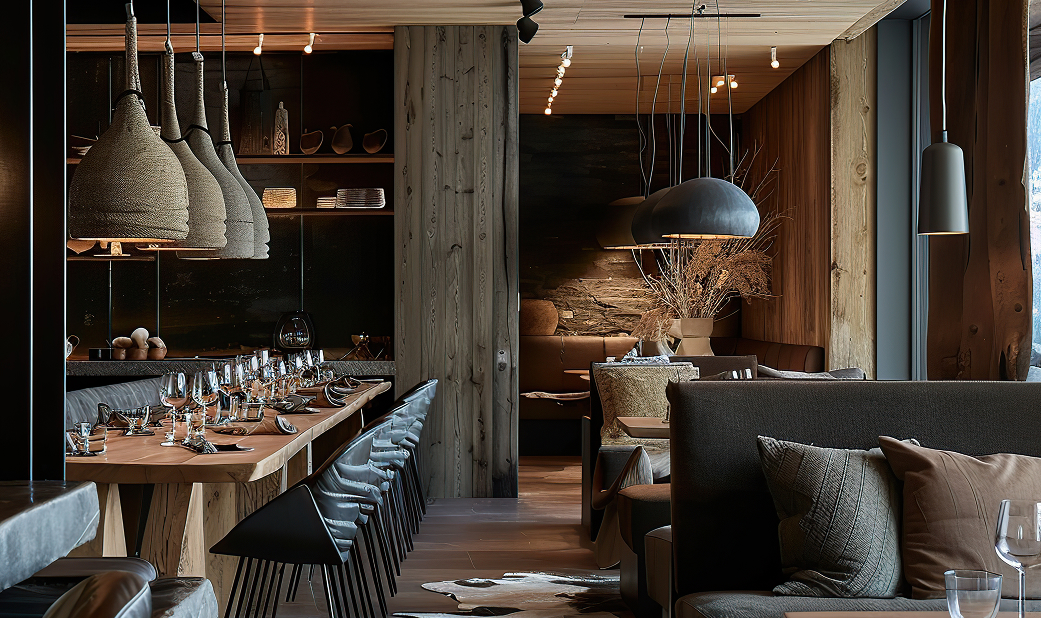
Dining rooms, commercial kitchens, ventilation and equipment coordinated for your concept.
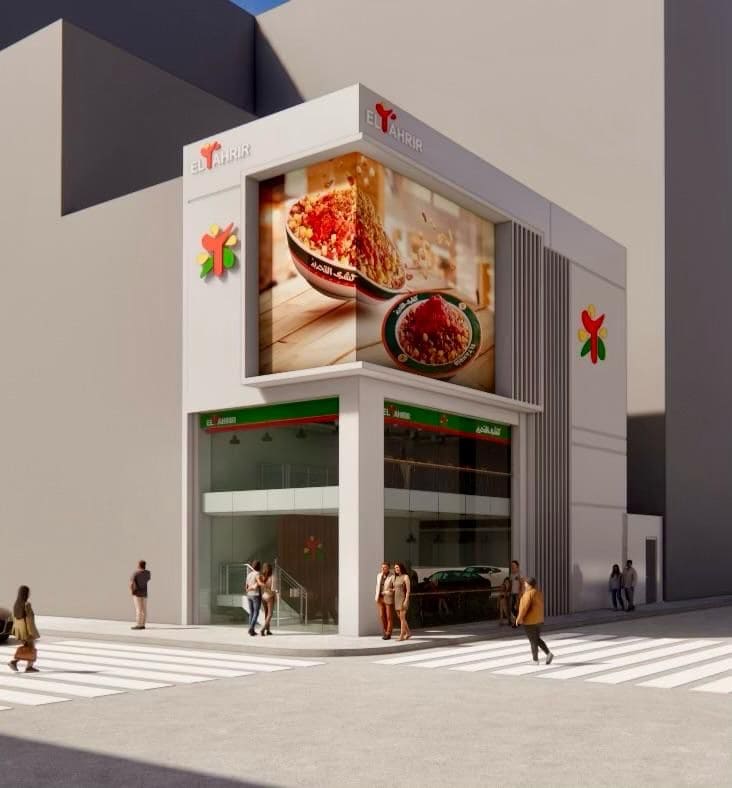
Stores, grocery businesses and other commercial properties shaped around customer flow and function.
Commercial spaces renewed for The next chapter
What clients usually want to clarify first
The cost of a commercial renovation depends on several factors, including the size of the space, the scope of work, the condition of the existing property, the materials selected, and any mechanical, electrical, or plumbing upgrades required.
At Horeca NYC, we provide a detailed estimate after evaluating your project and discussing your goals. Once the scope of work is approved, we follow the agreed budget and discuss any changes with you before proceeding.
Stylish design of a bar, cafeteria, pizzeria, cafe, restaurant or any other commercial facility emphasizes the successful image and high status of the company. Business interiors should be aesthetic, modern and functional, creating a comfortable atmosphere for employees and visitors. To get the desired result, the design project of the commercial interior is better to trust the professional experts.
Our office interior design services are tailored to your company’s brand, workflow, and workplace needs. We create functional, inspiring, and efficient office environments that support employee productivity, collaboration, and comfort.
From the initial consultation to project completion, our design process includes:
- On-site consultation and space evaluation
- Space planning and workplace layout optimization
- Interior design concepts aligned with your brand identity
- Selection of materials, finishes, furniture, and lighting
- 2D drawings and 3D renderings
- Coordination with architects, engineers, and contractors
- Design supervision throughout the construction process
Every office project is customized to meet your goals, budget, and operational requirements. Our experienced team works closely with you at every stage to ensure that every detail combines aesthetics, functionality, and a productive work environment.
We design complete office spaces, including workstations, executive offices, meeting rooms, reception areas, and employee break spaces. A well-designed office not only enhances daily operations but also reflects your company’s values and creates a professional impression for employees, clients, and visitors.
The company "Horeca" offers you effective solutions for design engineering, development of engineering projects, repairs and completions.
We constantly monitor the latest trends in design, changes in the regulatory framework, we study the use of modern technologies and materials.
We are ready in a short time to develop the concept, the design project for your business, because the value of time in business is difficult to overestimate.
For each project a team of professionals is allocated, consisting of a leading designer, designer, visualizer, marketing specialist, engineer and manager of the selection of furniture and equipment.
Thus we guarantee that the design project developed in our company will be thought out in detail, and created by us the interior will work to increase the profitability of your business.
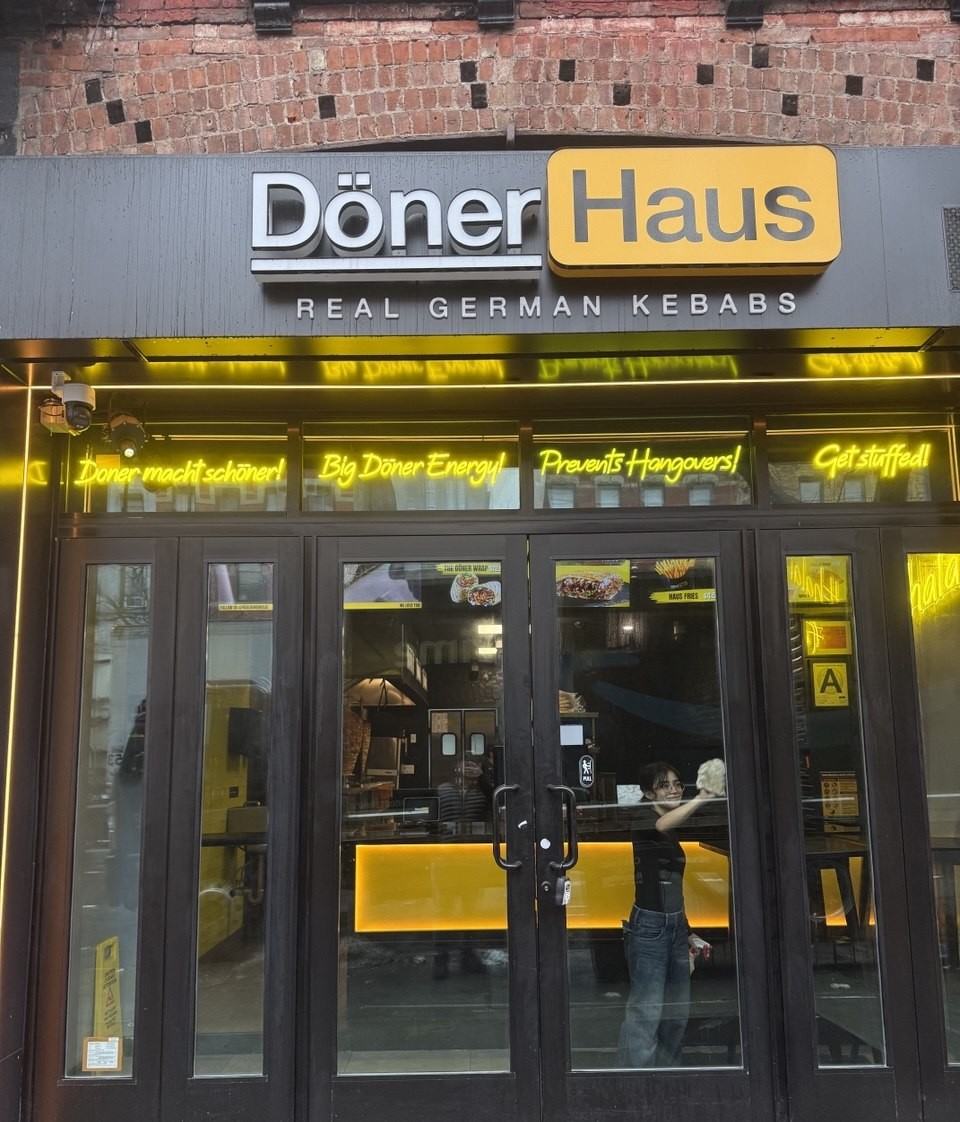
A major direction in commercial design is the design of the interior of the store, retail outlet. new shopping malls are constantly opening in new york city, one of the conditions for renting in which is to provide a design project of the future store. our company for the design of a juice bar or fast food outlet is ready to help not only in the development of the design project of the premises, but also in communication with the administration of the shopping center, the engineering department.
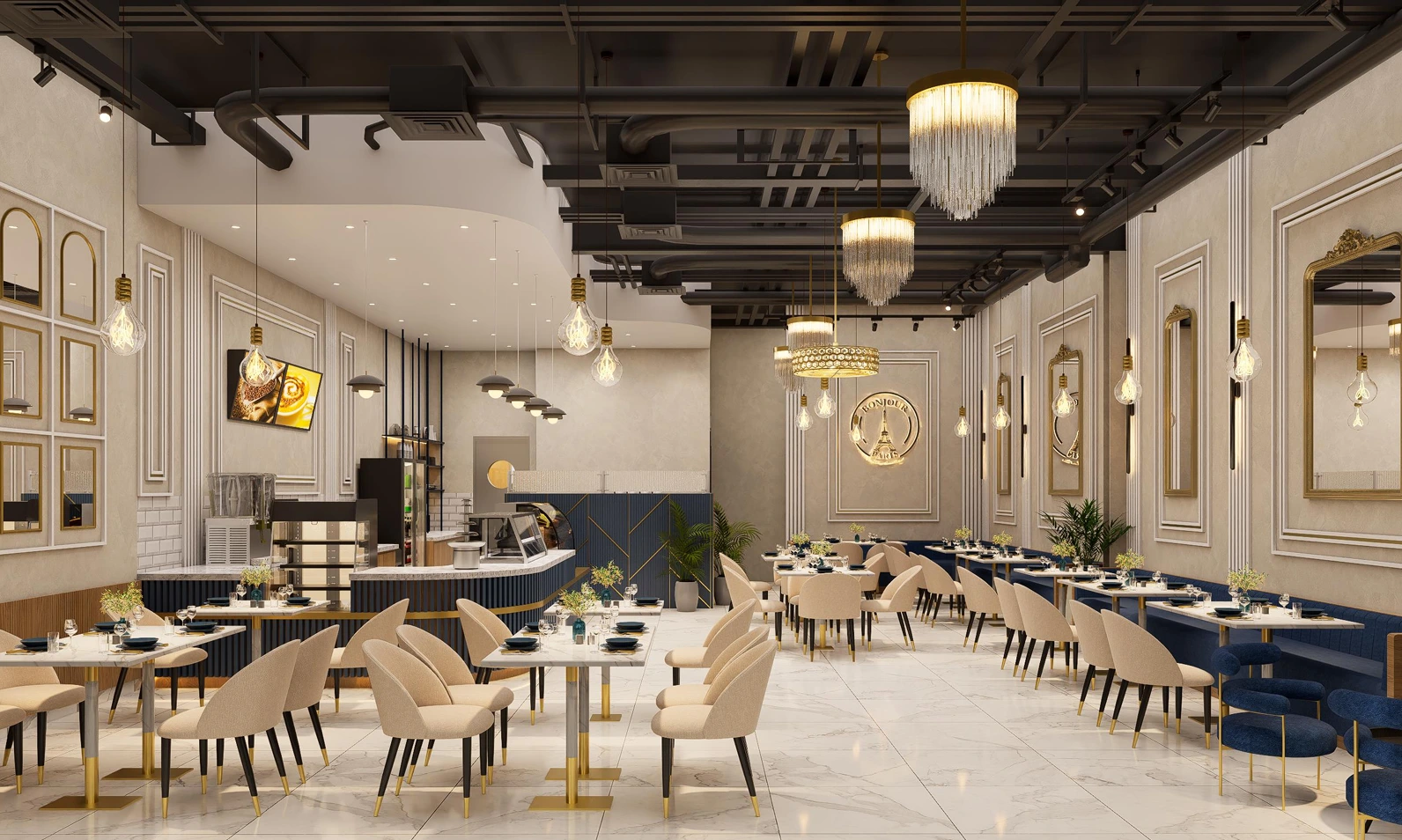
Design for Horeca is a professional interior design for pizzerias, cafes, restaurants and other indoor spaces for business. The creative team of the bar remodel firm, pizzerias and even just an ice cream shop has many years of experience. Design project in our company is always tailored to the actual requirements, the specifics of your business, and preferences of your potential customers.
Properly organized space and relaxing atmosphere, one of the main criteria for the design of the restaurant. It is very important that visitors can feel comfortable in the room, and it is thought about not only at the stage of the design project, but also in the design of engineering networks. The success of your business will bring and exclusivity, the individuality of the interior, which will advantageously distinguish your institution from the competition.
Renovating a restaurant is more than just giving it a fresh coat of paint or rearranging tables. It's about breathing new life into a dining space, creating an inviting ambiance, and enhancing the overall dining experience. In this article, we'll explore the intricate art of restaurant renovation and why it's a crucial step in the success of any dining establishment.
The Evolution of Restaurant Spaces
Restaurants are not static entities; they evolve with changing trends, customer preferences, and the passage of time. What may have been in vogue a decade ago might feel outdated today. Renovation allows restaurants to adapt to these changes and stay relevant.
Embracing Modern Trends
One of the primary reasons for restaurant renovation is to embrace modern design and technology trends. Contemporary diners seek more than just good food; they want an immersive experience. This can include innovative lighting, interactive menus, and even smart tables that enhance the dining experience.
Maximizing Space Efficiency
Renovation also provides an opportunity to optimize space utilization. A well-thought-out floor plan can accommodate more guests, improve staff workflow, and increase revenue potential. It's not just about fitting in more tables but creating a comfortable and spacious environment for diners.
The Psychology of Design
The design of a restaurant can significantly impact customers' perception and behavior. Renovation allows restaurant owners to harness the psychology of design to their advantage.
Color Psychology
Colors can evoke emotions and set the mood. For example, warm tones like red and orange can stimulate appetite and create a cozy atmosphere, while cooler colors like blue and green can promote relaxation. A renovation can introduce a color scheme that aligns with the desired ambiance.
Lighting Matters
Proper lighting is crucial in a restaurant. It can highlight food presentation, create intimacy, or encourage social interaction. Upgrading lighting fixtures during renovation can transform the entire look and feel of the dining area.
Enhancing Accessibility and Comfort
Accessibility and comfort are key elements in the success of a restaurant. A renovation can address these aspects effectively.
ADA Compliance
Ensuring that the restaurant is compliant with the Americans with Disabilities Act (ADA) is not just a legal requirement but also a moral obligation. Renovations can incorporate features like wheelchair ramps, accessible restrooms, and seating arrangements that accommodate all patrons.
Seating and Acoustics
Uncomfortable seating or excessive noise can mar the dining experience. Renovation provides an opportunity to invest in comfortable chairs and acoustic solutions that reduce noise levels, allowing for better conversation and overall comfort.
Sustainable and Eco-Friendly Upgrades
In an era of increasing environmental awareness, many diners prefer restaurants that embrace sustainability. Renovations can include eco-friendly upgrades such as energy-efficient appliances, water-saving fixtures, and even the use of reclaimed materials in the design.
Restaurant renovation is not just a cosmetic makeover; it's a strategic investment in the success and longevity of a dining establishment. It allows restaurants to adapt to changing trends, create inviting spaces, and enhance the overall dining experience. Whether it's embracing modern design, optimizing space, or improving accessibility, renovation is the art of transformation that keeps restaurants thriving in a competitive industry. So, if you're a restaurant owner looking to revitalize your dining space, consider the power of renovation to breathe new life into your establishment and leave a lasting impression on your patrons.
When it comes to overseeing and managing a construction project, a general contractor company plays a pivotal role. They are the backbone of the construction process, ensuring that everything runs smoothly from start to finish. In this article, we'll explore the significance of a general contractor company and why hiring one is essential for the success of your construction venture.
What is a General Contractor Company?
A general contractor company, often referred to as a GC, is a professional organization responsible for the overall coordination, supervision, and management of a construction project. They act as the primary point of contact for the client and are responsible for bringing together all the necessary resources, including labor, materials, equipment, and subcontractors, to complete the project successfully.
The Responsibilities of a General Contractor:
- Project Planning: A reputable general contractor begins by creating a detailed project plan. This plan outlines the project's scope, timeline, budget, and specific requirements.
- Subcontractor Management: GCs hire and oversee subcontractors, such as electricians, plumbers, and carpenters, ensuring they complete their work correctly and on schedule.
- Budget Management: They manage the project budget, tracking expenses, and making adjustments as needed to avoid cost overruns.
- Quality Control: Ensuring that all work meets the required quality standards is a crucial responsibility. GCs conduct inspections and quality checks throughout the construction process.
- Safety Compliance: General contractors prioritize safety on the construction site, implementing safety protocols and ensuring that workers follow them.
- Timeline Management: Meeting project deadlines is essential. GCs create schedules, monitor progress, and make adjustments to keep the project on track.
- Problem-Solving: When unexpected issues arise, as they often do in construction, GCs are skilled problem solvers. They find solutions to keep the project moving forward.
The Benefits of Hiring a General Contractor Company
1.Expertise and Experience. General contractor companies bring years of experience and expertise to the table. They have a deep understanding of the construction industry, local building codes, and regulations, which ensures your project complies with all legal requirements.
2. Cost Savings. Contrary to what some may think, hiring a general contractor can lead to cost savings. Their ability to negotiate with subcontractors and suppliers often results in better deals, and their budget management skills help avoid costly mistakes.
3. Time Efficiency. Time is money in construction. A skilled general contractor can streamline the construction process, minimize delays, and ensure that your project is completed on schedule.
4. Accountability. With a general contractor in charge, there's a single point of accountability for the entire project. This simplifies communication and eliminates the need for you to coordinate multiple contractors and subcontractors.
In summary, a general contractor company is an invaluable partner in any construction project. Their expertise, experience, and ability to manage all aspects of the project make them an essential asset. By hiring a reputable GC, you not only ensure the successful completion of your construction venture but also gain peace of mind knowing that professionals are overseeing every detail.
If you're planning a construction project, consider partnering with a trusted general contractor company to make the process smoother and more efficient. Their skills and knowledge will undoubtedly contribute to the success of your project.
HORECA, an acronym for Hotel, Restaurant, and Catering, represents the vibrant and multifaceted sector that lies at the heart of the hospitality and food industry. This industry segment encompasses a wide range of businesses and services, all dedicated to providing memorable experiences in the realms of dining, lodging, and event catering. In this article, we will delve into the world of HORECA, exploring its significance, key components, and the evolving trends that shape its future.
The Essence of HORECA
1.Hospitality (Hotels and Accommodation)
The "H" in HORECA stands for hospitality, which includes hotels, resorts, and other lodging establishments. This sector caters to travelers, tourists, and those seeking a comfortable and welcoming place to stay. The hospitality industry not only offers accommodation but also an array of services such as dining, recreation, and event hosting.
The "R" represents restaurants, where culinary artistry and gastronomic delights take center stage. Restaurants are diverse, ranging from casual eateries to Michelin-starred fine dining establishments. They are the go-to places for enjoying delectable meals, exploring diverse cuisines, and savoring unique dining experiences.
The "C" in HORECA stands for catering, an integral part of the industry that provides food services for various events and occasions. Catering companies are responsible for crafting menus, preparing meals, and ensuring impeccable service at weddings, corporate gatherings, parties, and more.
1. Hotels and Lodging
Hotels and lodging establishments are the cornerstone of the hospitality sector. They offer a wide range of accommodations, from luxury suites to budget-friendly rooms. Hotels provide not only a place to sleep but also amenities like restaurants, bars, pools, and spas to enhance the guest experience.
Restaurants are diverse in style, cuisine, and atmosphere. They include fast-food joints, cafes, bistros, casual diners, upscale restaurants, and more. Dining establishments are not just places to eat; they are venues for socializing, celebrating, and experiencing culinary creativity.
3. Event Catering
Event catering companies specialize in providing food and beverage services for gatherings of all sizes. They work closely with clients to create tailored menus that suit the occasion. Event caterers handle everything from food preparation to presentation, ensuring seamless and delightful experiences.
The HORECA industry continually evolves to meet changing consumer preferences, emerging trends, and technological advancements.
Digitalization has revolutionized HORECA. Online booking platforms, mobile apps for room service, and digital menus in restaurants are just a few examples of how technology enhances the guest experience.
Increasing awareness of sustainability and health has led to a shift in HORECA practices. Eco-friendly initiatives, organic menus, and transparent sourcing of ingredients resonate with environmentally conscious consumers.
Modern consumers seek not just a meal but an experience. This has given rise to experiential dining concepts, such as chef's tables, interactive dining shows, and themed pop-up restaurants.
HORECA, the amalgamation of hospitality, restaurants, and catering, forms the dynamic core of the hospitality and food industry. It encapsulates the art of creating memorable experiences, whether through a luxurious hotel stay, a delightful dining adventure, or a flawlessly catered event. As HORECA continues to evolve in response to changing consumer expectations and societal trends, it remains a vibrant and essential part of the global economy, dedicated to satisfying our appetite for exploration, taste, and hospitality.